Simple Cell, Student Kit
Product Code : EL-E-10979
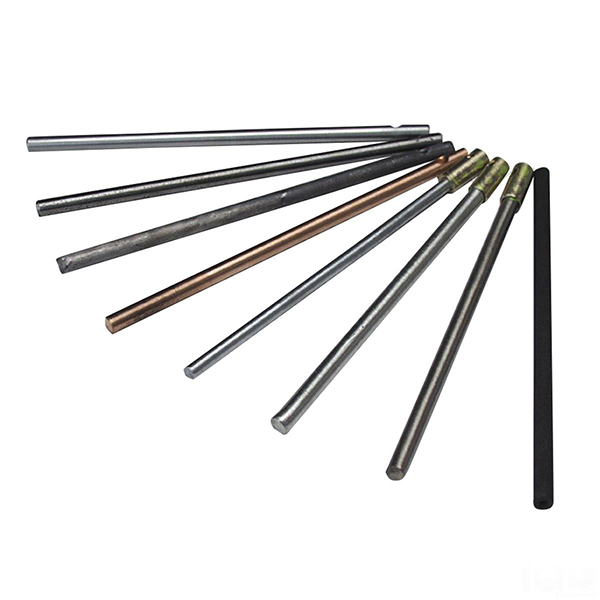
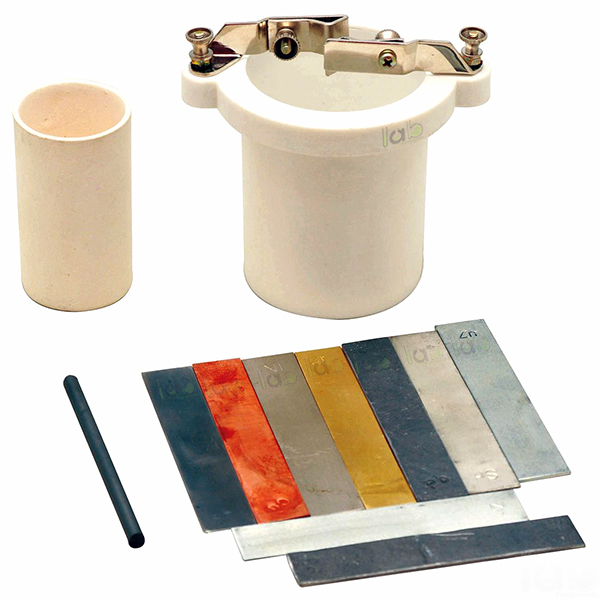
Quick answer: The Simple Cell, Student Kit lets students build primary (voltaic) cells from pairs of electrodes in zinc, lead, aluminium, carbon, tin, copper, nickel and iron, each about 100 x 20 mm. A plastic cell container with electrode holders and a porous pot is included, with instructions for testing different combinations. Lab Exports manufactures it in Delhi for schools, colleges and universities.
Specifications
| Item | Detail |
|---|---|
| Electrodes | Zinc, lead, aluminium, carbon, tin, copper, nickel, iron |
| Electrode size | About 100 x 20 mm |
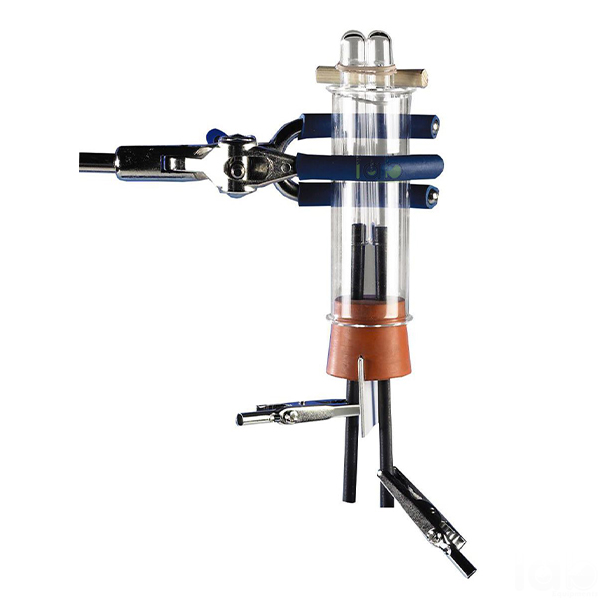
| Cell | Plastic cell container with electrode holders |
| Porous pot | Included |
| Documentation | Instructions included |
How the simple cell experiment is done
A simple cell is made from two different electrodes dipped in an electrolyte. The more reactive metal gives up electrons and becomes the negative terminal, the less reactive electrode becomes the positive terminal, and a voltage appears between them. The further apart the two are in the reactivity series, the larger the voltage, which lets students place the metals in order from their own readings.
The porous pot allows a two-electrolyte cell, such as a zinc electrode in zinc sulfate inside the pot and a copper electrode in copper sulfate outside it: ions pass through the pot wall to complete the circuit while the two solutions are kept from mixing.
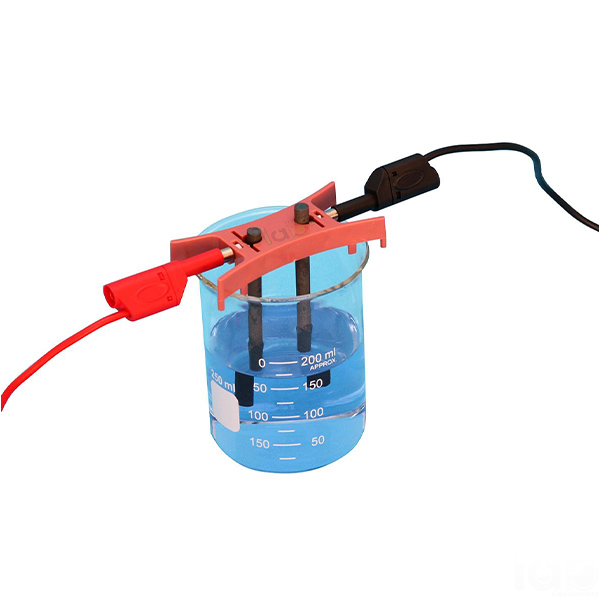
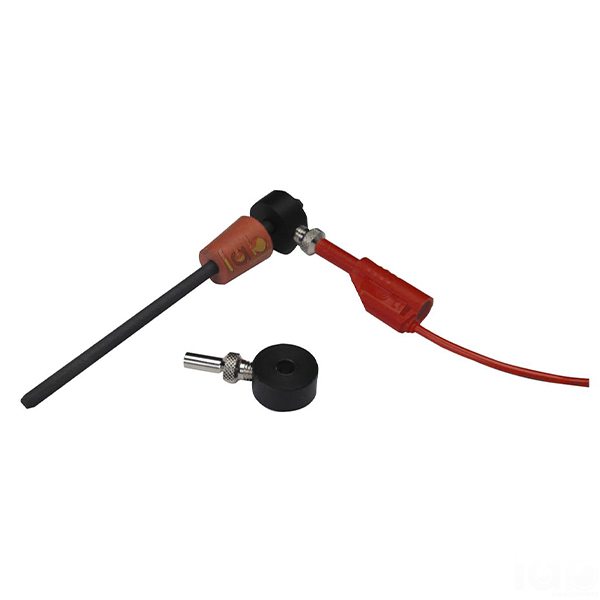
- Fit two different electrodes in the holders of the plastic cell container.
- Add the electrolyte, for example dilute sulfuric acid or salt solution, so that both electrodes dip into it.
- Connect a voltmeter across the electrodes and record the voltage and which electrode is negative.
- Repeat with other pairs, keeping one electrode such as copper the same, to build a reactivity order.
- Use the porous pot to compare a single-electrolyte cell with a two-electrolyte cell.
Key features
- Eight electrode materials for comparing many electrode pairs
- Electrodes about 100 x 20 mm
- Plastic cell container with electrode holders
- Porous pot for two-electrolyte cells
- Instructions included for building and testing voltaic cells
Documentation and supply
Instructions are supplied with the kit. Most Lab Exports products carry a one-year manufacturer warranty.
Lab Exports manufactures the simple cell student kit at its works in Laxmi Nagar, Delhi, and supplies it to schools, colleges and universities in India and 60+ countries, handling the export documents for each shipment. More about the company is on the About Lab Exports page.
Related Electrolysis products
- Student Gas Voltameter (EL-E-10978)
- Salt Bridge (EL-E-10980)
- S Shape Electrodes (EL-E-10977)
- Fruit Clock (EL-E-10981)
- Electrodes Round (EL-E-10976)
- Electrolysis Cells (EL-E-10982)
The full range is in the Electrolysis section of the Chemistry Lab range.
Frequently asked questions
Which electrodes are in the simple cell student kit?
Zinc, lead, aluminium, carbon, tin, copper, nickel and iron, each about 100 x 20 mm.
What is the porous pot used for?
It separates two electrolytes in one cell while still letting ions pass, so cells such as zinc in zinc sulfate against copper in copper sulfate can be built.
What is the price of the simple cell student kit?
Prices are not published on the website. Add the simple cell student kit to the Enquiry Cart with the Add To Cart button on this page, or email [email protected] with the house code EL-E-10979 and the quantity, to receive a quotation.
Does Lab Exports manufacture the simple cell student kit?
Yes. Lab Exports manufactures the simple cell student kit at its works at 11/315, Lalita Park, Laxmi Nagar, Delhi 110092, under house code EL-E-10979.
Request a quote
Email [email protected] with the house code EL-E-10979 and the quantity, or add the simple cell student kit to the Enquiry Cart with the Add To Cart button on this page. Tender buyers can also see the Tenders and OEM page.